
Imidacloprid (insecticide)
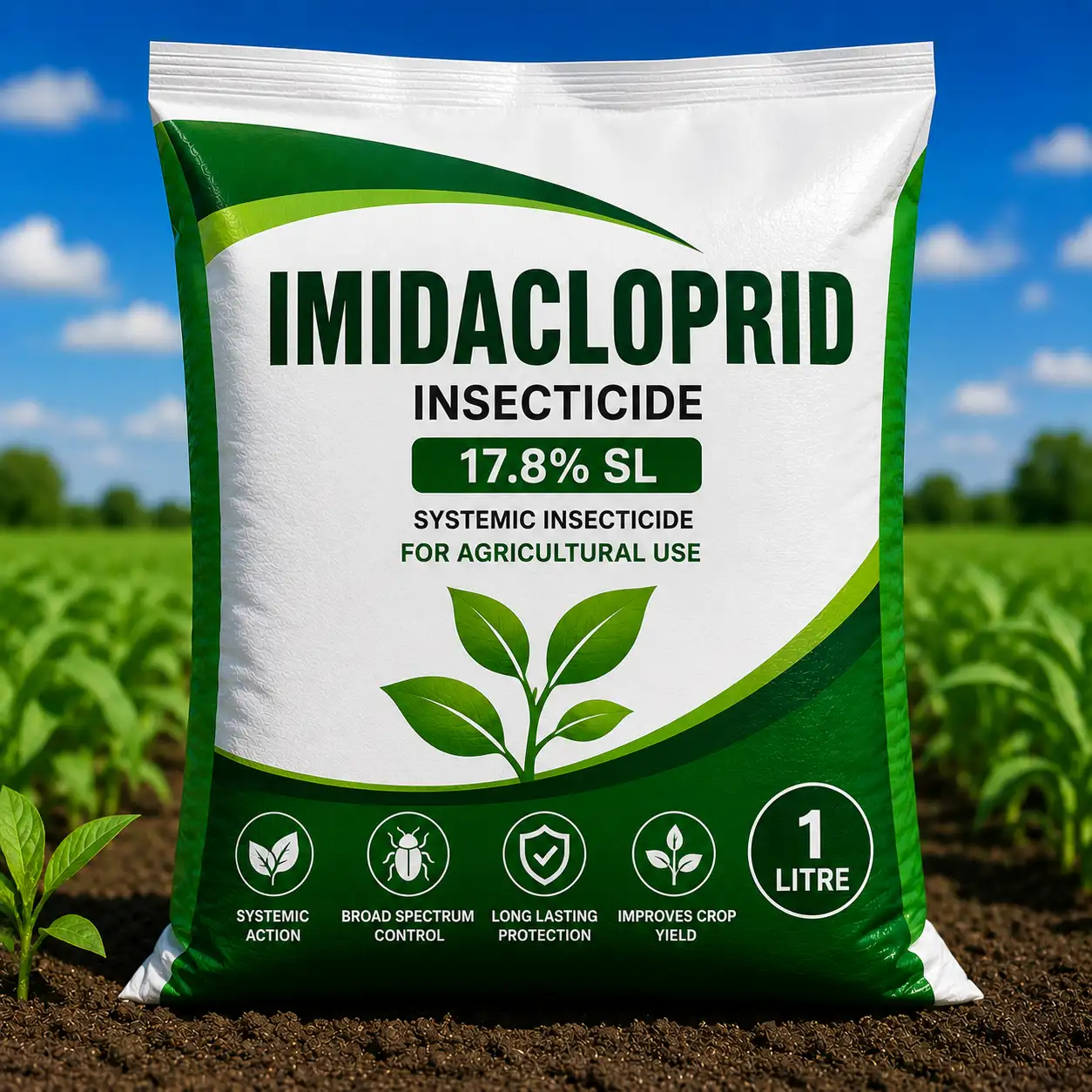
Imidacloprid (insecticide)
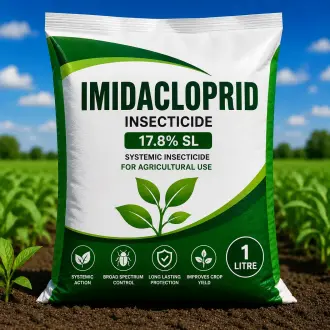
Imidacloprid is a highly effective systemic insecticide widely used in agriculture, horticulture, and turf management to control a broad spectrum of sucking and chewing insect pests. Belonging to the neonicotinoid class of chemicals, Imidacloprid acts on the central nervous system of insects by binding to nicotinic acetylcholine receptors, causing paralysis and death. Its systemic action allows the active ingredient to be absorbed by the plant and translocated to leaves, stems, flowers, and roots, providing long-lasting protection against pests.
Imidacloprid is effective against numerous pests, including aphids, whiteflies, leafhoppers, thrips, planthoppers, and some soil-dwelling insects like grubs and termites. It is commonly applied through foliar sprays, seed treatment, soil drenching, or drip irrigation, offering versatility in pest management strategies. Seed treatment with Imidacloprid provides early protection for seedlings against insect damage, supporting robust crop establishment and higher yields.
This insecticide is compatible with many crops, including cereals, vegetables, fruits, cotton, coffee, sugarcane, and ornamental plants. Its systemic property ensures that even pests feeding on treated parts of the plant are effectively controlled, reducing the need for repeated applications and lowering overall pesticide usage.
While highly effective, careful handling and adherence to recommended dosages are essential to prevent environmental contamination and minimize risks to non-target organisms, particularly pollinators like bees. Proper storage in a cool, dry, and ventilated area away from sunlight and incompatible chemicals is important to maintain stability and effectiveness.
In summary, Imidacloprid (Insecticide) is a versatile, systemic solution for managing a wide range of agricultural and horticultural pests. Its proven efficacy, long-lasting action, and multiple application methods make it an essential tool for integrated pest management, supporting healthy crops, higher yields, and sustainable agricultural practices worldwide.


0 Reviews
Add a Review