
Sulfur
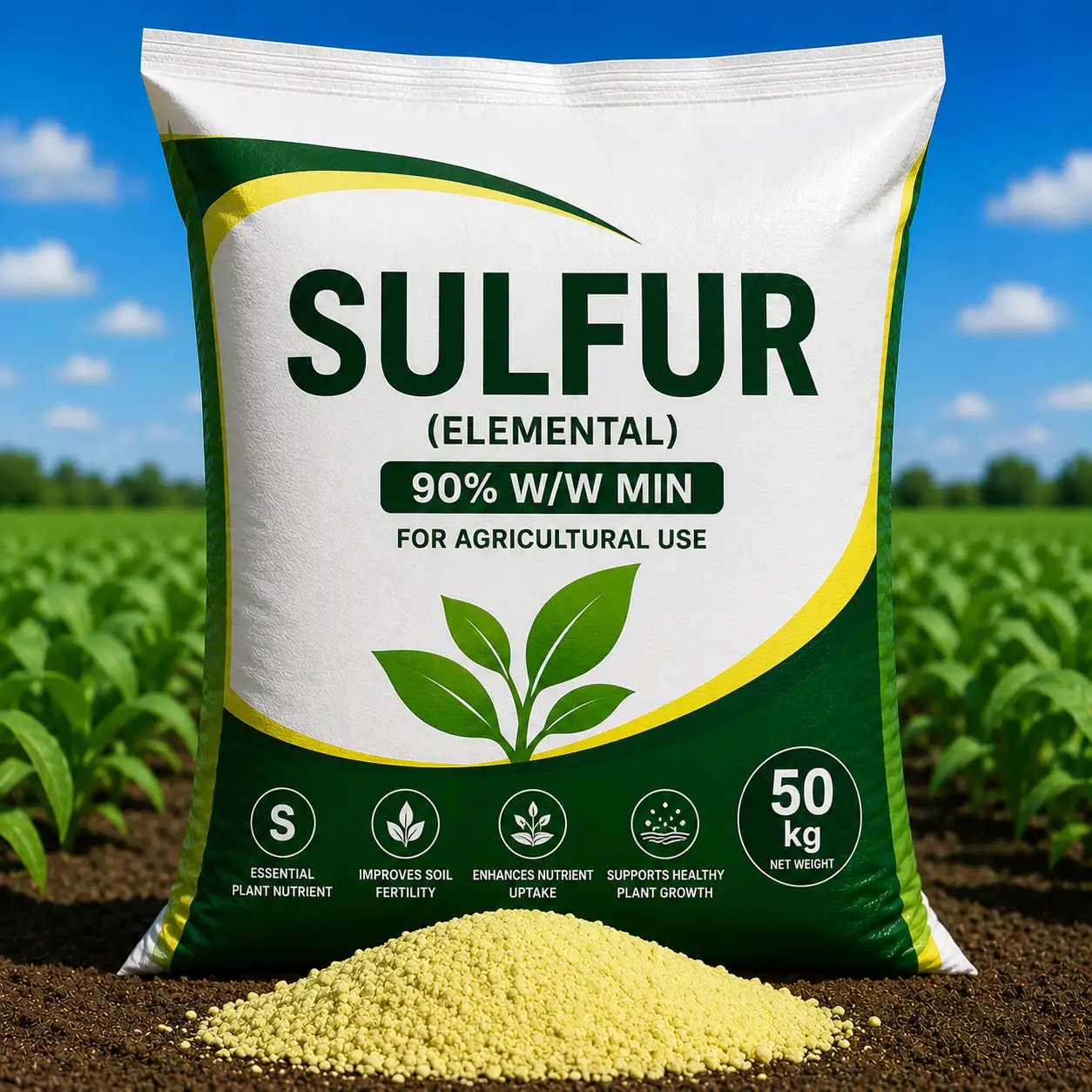
Sulfur
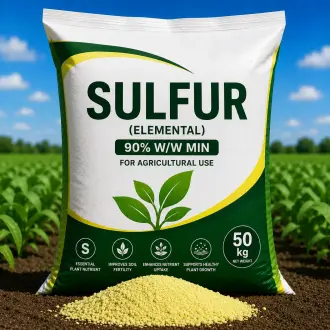
Sulfur is an essential plant nutrient and an important fertilizer component widely used in agriculture to improve crop growth, yield, and quality. As a vital macronutrient, sulfur plays a critical role in protein synthesis, chlorophyll formation, enzyme activation, and overall plant metabolism. Deficiency in sulfur can lead to stunted growth, yellowing of young leaves, poor seed development, and reduced crop quality.
Fertilizer-grade sulfur is available in various forms, including elemental sulfur, granules, powders, and pellets, making it versatile for different agricultural applications. Elemental sulfur is oxidized in the soil by microorganisms into sulfate (SO₄²⁻), the form that plants can readily absorb. This process not only supplies sulfur but also helps acidify alkaline soils, improving nutrient availability and soil health.
Sulfur is often used in combination with nitrogen, phosphorus, and potassium fertilizers to provide balanced nutrition, particularly for crops with high sulfur demand such as oilseeds (mustard, canola, soybean), cereals, legumes, sugarcane, and vegetables. Its application enhances protein content, improves crop quality, and increases resistance to pests and diseases.
The fertilizer can be applied directly to soil, mixed with other fertilizers, or used as a component in blended fertilizer formulations. Proper application timing and dosage depend on crop type, soil sulfur content, and local agronomic practices. Storage in a cool, dry, and ventilated area is important to prevent moisture absorption, caking, or oxidation before use.
In summary, Sulfur (Fertilizer Grade) is a highly effective nutrient essential for plant growth, crop quality, and soil health. Its ability to improve protein synthesis, enzyme function, and overall plant metabolism, along with its soil-amending properties, makes it a cornerstone of modern agriculture. By ensuring adequate sulfur supply, farmers can achieve healthier crops, higher yields, and sustainable production.



0 Reviews
Add a Review